Vinyl siding is a popular choice for homeowners because it requires low maintenance and looks great. But like any exterior surface, dirt, mold, and mildew build up, causing it to lose its luster and reduce its lifespan.
Vinyl Siding Cleaner routine cleaning prevents this from happening and keeps the material looking new. However, how often is it necessary? Experts at JD Powerwashing explain some factors that can affect how often you need to clean your vinyl siding.
Weather
While vinyl siding has been designed to withstand the elements and provide excellent durability, dirt, mildew, and other debris build-up can still occur. A regular cleaning schedule is necessary to keep your home looking bright and fresh while protecting the materials from further damage.
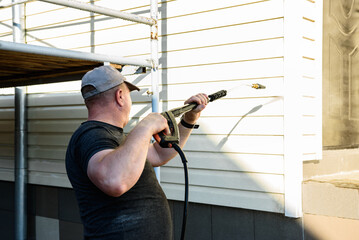
In most cases, a simple garden hose and soft-bristle brush is all that’s needed to clean your siding. Simply attach a spray nozzle and wet the surface of the siding to loosen any dirt or debris, then use the brush to scrub in a lateral motion. If you need to reach higher areas of your siding, consider a ladder that has been stabilized properly and is free from cracks or wear. If you do decide to use a power washer, be careful not to apply excessive pressure that could damage or distort the panels. Use a low-pressure setting and hold the nozzle at least 12 inches away from the surfaces of the siding, spraying in a lateral direction. Never aim the nozzle upward, as this can force water behind the siding and cause costly moisture problems like rot or mold growth.
For tougher stains on vinyl siding, you can use a non-abrasive cleaner that is safe for vinyl. Be sure to test the cleaner on an inconspicuous area first to ensure it does not discolor or damage the material. Some common stains that may require special cleaning solutions include oil, grease, and tar. If you notice a stain on your vinyl siding, it is essential to act promptly to avoid further damage.
Vinyl siding is naturally resistant to mildew, but if it becomes dirty enough that mildew starts growing, you may need to use a specific mildew remover. A mixture of 1/3 cup detergent (Tide, for example), two/3 cup of white vinegar, and one quart of 5% Sodium Hypochlorite is often sufficient to remove mildew from the surface of vinyl siding. Apply the solution to the affected area, leave to sit for an hour or so, then rinse thoroughly with a hose. Be sure to start at the bottom of the structure and work your way up to prevent streaking.
Tree Cover
Vinyl siding is one of the most popular choices for modern homes. It’s weather-resistant, affordable, and easy to maintain. However, dirt, mildew, mold, and debris can take a toll on your home’s exterior, causing fading, discoloration, and even damage. Regular cleaning prevents these issues and helps extend the life of your vinyl siding.
A clean exterior improves curb appeal and makes a good first impression on visitors and potential buyers. It also protects your home from damage and keeps it looking vibrant and new. The best way to determine how often you should schedule vinyl siding cleaning is to look at the amount of grime and stains on the surface. If your vinyl siding is visibly dirty, you should clean it at least once every couple of years. If your home is in an area with high humidity, lots of rain, or nearby trees, it’s a good idea to clean your vinyl siding more frequently.
Using a garden hose and a soft-bristle brush, start by wetting the surface of your vinyl siding to loosen up any dirt. Next, dip your brush in a solution of equal parts mild dish soap and water to create a gentle scrub. When scrubbing, use a circular motion and work in small sections to avoid streaking from dripping soap. Make sure to rinse thoroughly after scrubbing, to remove any leftover soap residue that could cause your vinyl siding to fade or attract more dirt and grime.
For more stubborn stains, you can use a power washer. Use a low-pressure setting and hold the nozzle at least 12 inches away from the surfaces of your vinyl siding. Spraying too close can cause warping and force water behind the vinyl, which may lead to rot or mold growth. You can also try a commercial cleaner that’s designed for use on vinyl siding, but be sure to test it in an inconspicuous area before applying it to the entire surface.
Debris
While vinyl siding can stand up to the elements fairly well, dirt, grime, and mildew accumulate on its surface, dulling its appearance. Regular cleaning can help keep your home looking its best while extending its lifespan. It’s essential to use the right methods and cleaning solutions, however, as not all cleaners are safe for your vinyl siding.
Before applying any cleaning solution to your vinyl siding, first hose down the area. This helps to loosen dirt and dust, making it easier for you to scrub. It also prevents you from damaging the surface by using abrasive brushes or abrasive cleaning cloths.
Next, remove any large debris from the surface of your vinyl siding. This will make the scrubbing process easier and allow you to better focus on tackling more stubborn stains. Be careful when removing any large debris, as it is important to protect the plants and flowers surrounding your home’s exterior.
Using a soft-bristled brush, sponge, or microfiber cloth, apply your chosen cleaning solution to your vinyl siding in manageable sections. Be sure to work in a cool, shaded area. Avoid direct sunlight, as this can cause the solution to dry too quickly. If you are using a power washer, be sure to use it on a low-pressure setting and spray it in a lateral motion. Never point the nozzle upward, as this can cause water to seep behind your vinyl siding and create moisture problems.
After scrubbing each section, rinse it thoroughly with your garden hose, starting at the top and working your way down. This will help ensure that all soap residue is rinsed away, as leaving it on the surface of your vinyl siding can lead to streaking and encourage dirt to cling faster.
For stains caused by oil or tar, or other more stubborn stains, specific cleaners designed for vinyl siding may be necessary. Always test a small, inconspicuous area of the vinyl to ensure that the cleaner does not discolor or damage the material. Also, be sure to wear rubber gloves and safety goggles while cleaning to prevent any irritation to the eyes or skin.
Stains
Vinyl siding is a popular choice for residential and commercial structures because it is durable, requires low maintenance, and adds a touch of charm. However, dirt, mildew, and other grime buildup can cause it to lose its luster and lead to damage over time. A periodic cleaning with a pressure washer is a safe and effective way to clean vinyl siding.
In addition to restoring its beauty, a thorough cleaning helps to remove harmful contaminants and promotes a healthier living environment. Removing mold, mildew, and other toxins from your home’s exterior reduces the spread of allergens and makes it easier to breathe.
The frequency of your vinyl siding cleaning depends on environmental factors such as tree cover, pollen, and pollution levels. Homes surrounded by trees are likely to experience more frequent accumulation of leaves, bird droppings, and other organic materials, which require more regular washing to prevent the growth of mold and mildew. In general, homeowners should clean their vinyl siding at least twice per year.
Prior to beginning your cleaning, cover any plants or objects that are close to your vinyl siding with plastic sheets or drop cloths. This will protect them from splashes of cleaning solution or water during the wash. In addition, shut all windows and doors to prevent water from entering the house during the wash.
Once you’re ready to begin, mix a mild detergent or specialized vinyl siding cleaner according to the manufacturer’s instructions and apply it to your exterior. Be sure to test the solution in an inconspicuous area to ensure it doesn’t damage the surface. Then, use a soft-bristle brush or sponge to scrub the surface in small sections. Work from the bottom to the top, and pay special attention to corners and crevices. Rinse off the cleaning solution and loosened debris with a garden hose, making sure to rinse thoroughly.
Whether you’re using a specialized vinyl siding cleaner or a simple mixture of vinegar and water, always rinse in small sections to avoid streaking. Remember to scrub gently, and only apply enough pressure to remove dirt, mildew, and other grime without damaging the vinyl surface.