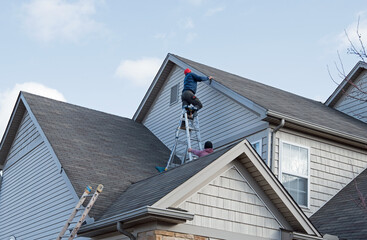
Roofing and siding are two of the most important components of any residential or commercial property because they provide structural protection, energy efficiency, and visual appeal. Together, roofing and siding systems shield buildings from harsh weather conditions, moisture intrusion, temperature fluctuations, and environmental damage while contributing significantly to curb appeal and property value. Proper installation, maintenance, and timely repairs help ensure long-term durability and performance for both roofing and siding materials.
As homeowners continue investing in property improvements, roofing and siding services remain in high demand due to their role in protecting structures and enhancing exterior aesthetics. Modern roofing and siding options are available in a wide variety of materials, styles, colors, and finishes, allowing property owners to customize the appearance and functionality of their homes according to their needs and preferences.
Professional roofing and siding contractors use specialized techniques and high-quality materials to improve weather resistance, insulation performance, and long-term structural integrity. Whether the project involves repairs, replacements, or new construction installation, properly maintained exterior systems contribute directly to the comfort, safety, and value of a property.
The Importance of Roofing and Siding
Roofing and siding work together as the first line of defense against environmental exposure. Roof systems protect the upper structure of a building from rain, snow, wind, and sunlight, while siding shields exterior walls from moisture, debris, and temperature changes.
Without reliable roofing and siding, buildings become vulnerable to water leaks, mold growth, insulation damage, structural deterioration, and increased energy costs. Exterior damage can spread quickly if not addressed early, leading to costly repairs and reduced property value.
One of the biggest advantages of investing in quality roofing and siding is improved energy efficiency. Properly installed materials help regulate indoor temperatures by reducing heat transfer and minimizing air leaks. This can lower heating and cooling costs while creating a more comfortable indoor environment.
Professional roofing and siding services provide several important benefits:
- Protection against weather and moisture damage
- Improved energy efficiency and insulation
- Enhanced curb appeal and property appearance
- Increased property value and durability
- Reduced long-term maintenance and repair costs
Maintaining exterior systems properly helps extend the lifespan of the property while preserving its structural integrity and appearance.
Common Roofing Materials and Their Benefits
Modern roofing systems are available in various materials designed to meet different durability, aesthetic, and budget requirements. Asphalt shingles remain one of the most commonly used roofing materials because of their affordability, versatility, and relatively simple installation process.
Metal roofing has also become increasingly popular due to its durability, energy efficiency, and resistance to harsh weather conditions. Metal roofs can last for decades while offering strong protection against wind, rain, and fire exposure.
Tile roofing provides a distinctive appearance and exceptional longevity. Clay and concrete tiles are known for their durability and ability to withstand extreme weather conditions, although they often require stronger structural support because of their weight.
Wood shingles and shakes offer a natural and traditional appearance that many homeowners appreciate for aesthetic reasons. However, wood roofing materials typically require more maintenance compared to synthetic alternatives.
Several popular roofing materials include:
- Asphalt shingles
- Metal roofing systems
- Clay and concrete tiles
- Wood shingles and shakes
- Synthetic and composite roofing materials
Choosing the right roofing material depends on factors such as climate conditions, maintenance expectations, architectural style, and overall budget.
The Role of Siding in Exterior Protection
Siding is essential for protecting exterior walls from environmental damage while improving the visual appearance of a property. In addition to weather resistance, siding contributes to insulation performance and moisture control throughout the building envelope.
Vinyl siding is one of the most widely used siding materials because of its affordability, low maintenance requirements, and variety of color options. It resists moisture, fading, and insect damage while requiring minimal upkeep.
Fiber cement siding has become increasingly popular because of its durability and resistance to fire, pests, and moisture. This material can replicate the appearance of wood while offering greater long-term performance and reduced maintenance needs.
Wood siding remains valued for its natural appearance and classic charm. However, wood materials typically require regular staining, sealing, or painting to maintain durability and prevent moisture damage.
Several commonly used siding materials include:
- Vinyl siding
- Fiber cement siding
- Wood siding and cedar shakes
- Engineered wood products
- Metal and composite siding materials
Siding selection often depends on desired appearance, environmental conditions, maintenance preferences, and long-term performance goals.
Roofing and Siding Maintenance
Routine maintenance is critical for preserving the durability and appearance of roofing and siding systems. Over time, exposure to sunlight, rain, wind, and temperature fluctuations can gradually wear down exterior materials and create vulnerabilities.
Roof inspections help identify damaged shingles, loose flashing, clogged gutters, and water intrusion before problems worsen. Small roofing issues can quickly lead to significant structural damage if left untreated.
Siding maintenance often involves cleaning surfaces, repairing cracks, replacing damaged panels, and checking for moisture penetration. Proper maintenance prevents mold growth, warping, and deterioration that could compromise exterior protection.
Several important maintenance practices help extend the lifespan of roofing and siding systems:
- Conduct regular inspections after severe weather
- Clean gutters and drainage systems frequently
- Repair damaged materials promptly
- Remove debris and organic buildup
- Monitor for signs of moisture intrusion or mold
Preventive maintenance helps property owners avoid expensive repairs while preserving the structural performance of exterior systems.
Roofing and Siding Replacement Signs
Eventually, roofing and siding materials may require replacement due to age, storm damage, or extensive deterioration. Recognizing early warning signs can help property owners address problems before they become severe.
Common roofing replacement indicators include curling shingles, missing materials, sagging rooflines, water stains on ceilings, and excessive granule loss from shingles. Persistent leaks and rising energy costs may also suggest roofing system failure.
Siding replacement may become necessary when panels crack, warp, fade excessively, or develop moisture damage beneath the surface. Mold growth, peeling paint, and rising utility bills can also indicate deteriorating siding performance.
Professional inspections help determine whether repairs or complete replacement are the most effective long-term solutions. In many cases, replacing aging roofing or siding systems improves energy efficiency, property value, and structural protection simultaneously.
Energy Efficiency and Exterior Upgrades
Modern roofing and siding technologies are designed to improve energy performance while reducing environmental impact. Energy-efficient roofing materials can reflect heat away from buildings, helping maintain cooler indoor temperatures during warm weather.
Insulated siding systems provide additional thermal protection by reducing heat transfer through exterior walls. Improved insulation helps stabilize indoor temperatures and reduce strain on heating and cooling systems.
Exterior upgrades can also contribute to improved indoor comfort by reducing drafts, moisture infiltration, and air leakage. Property owners often combine roofing and siding projects with insulation improvements and ventilation upgrades to maximize efficiency.
Several energy-related benefits of updated roofing and siding include:
- Lower heating and cooling costs
- Improved indoor temperature control
- Better moisture and ventilation management
- Reduced environmental impact
- Enhanced long-term property efficiency
Energy-efficient exterior systems provide both immediate comfort improvements and long-term financial savings.
Choosing Professional Roofing and Siding Services
Hiring experienced roofing and siding professionals is essential for achieving durable, high-quality results. Proper installation techniques significantly affect the lifespan, safety, and performance of exterior systems.
Property owners should evaluate contractors based on licensing, insurance coverage, industry experience, customer reviews, and material warranties. Reliable contractors typically provide detailed inspections, written estimates, and clear explanations of recommended solutions.
Several important factors should be considered when selecting roofing and siding services:
- Experience and installation expertise
- Quality of materials and warranties
- Safety practices and insurance protection
- Reputation and customer satisfaction
- Maintenance and repair service availability
Professional roofing and siding services provide long-term value by protecting structures, improving energy efficiency, and enhancing curb appeal. Through proper installation, maintenance, and timely upgrades, roofing and siding systems help property owners maintain safe, comfortable, and visually appealing buildings for many years.